
How Attackers Use Social Media Before They Attack
by Daniil Slesarenko
Why Social Media Is Valuable to Cybercriminals
Social media has become an important tool for businesses to connect with customers, recruit talent, and share company updates. Unfortunately, it's also a valuable source of information for cybercriminals.
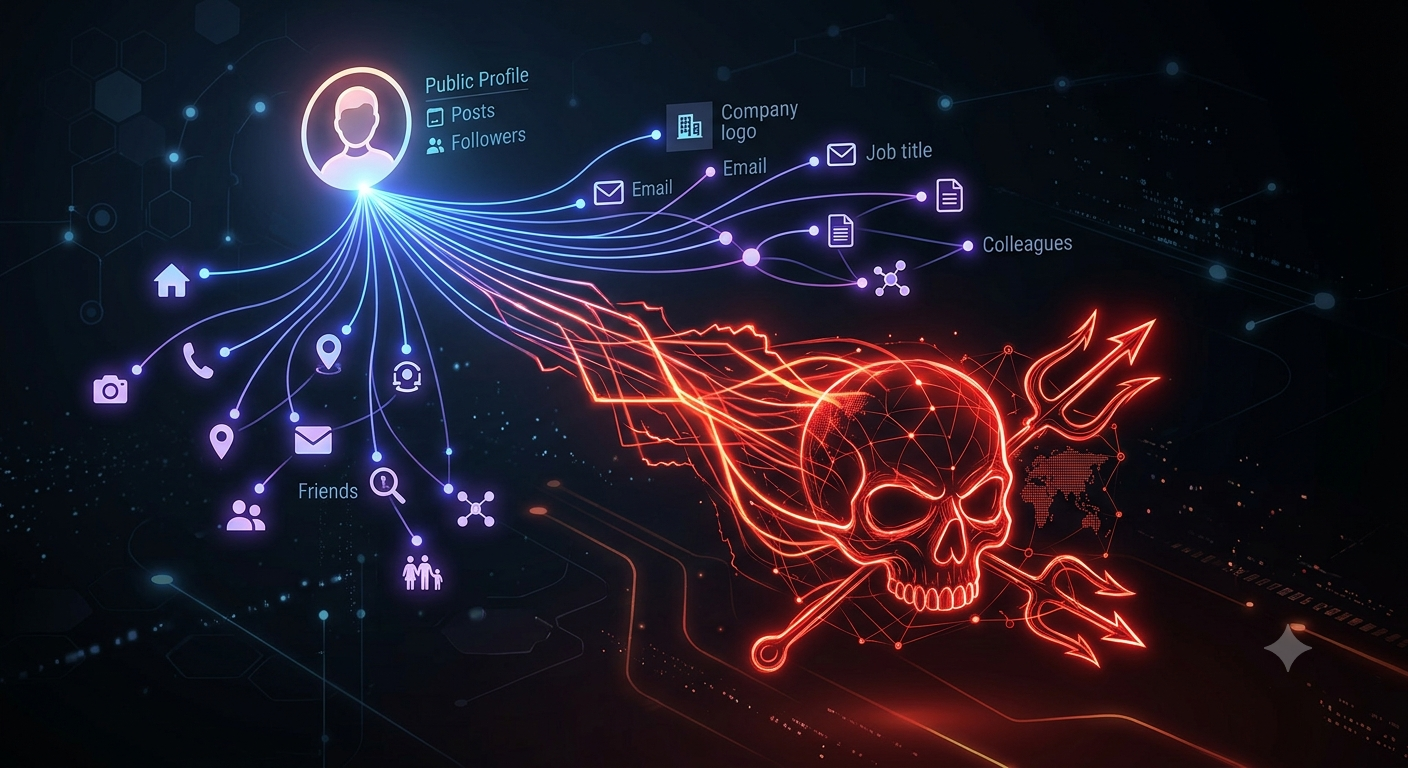
Before launching a phishing campaign or other cyberattack, attackers often spend time researching their targets online. Public profiles, company pages, and employee posts can reveal details that make scams appear far more convincing.
The more information an attacker has, the easier it becomes to gain a victim's trust.
What Information Attackers Look For
Many people unknowingly share information that can help attackers build targeted phishing emails or impersonate trusted contacts.
Cybercriminals commonly search for:
Employee names and job titles
Company email formats
Recent promotions or new hires
Business partners and vendors
Office locations and travel plans
Even seemingly harmless posts can provide valuable context that helps attackers make fraudulent messages appear legitimate.
How Social Media Is Used in Cyberattacks
Unlike traditional phishing campaigns that target thousands of people, attackers often use information gathered from social media to create highly personalized attacks.
For example, an attacker may notice that an employee recently attended an industry conference. They could then send a fake follow-up email that appears to come from the event organizer, asking the recipient to download presentation materials or log in to access additional resources.
Because the message relates to a real event, the recipient is much more likely to trust it.
Why Personalized Attacks Are More Successful
Cybercriminals understand that people are more likely to trust messages that reference familiar names, recent activities, or known business relationships.
Social media helps attackers create messages that feel authentic by including details such as:
Recent company announcements
Team member names
Projects currently being discussed
Photos from business events
Publicly available contact information
The result is a phishing attempt that feels less like spam and more like a legitimate business communication.
How to Reduce Your Risk
Social media should not be avoided, but it should be used thoughtfully. Limiting the amount of sensitive information shared publicly makes it more difficult for attackers to build convincing scams.
Good security practices include:
Review your privacy settings regularly
Avoid sharing sensitive business information publicly
Be cautious when announcing travel plans or internal projects
Verify unexpected requests, even if they reference familiar details
Educate employees about how publicly shared information can be used against them
A little discretion online can significantly reduce the effectiveness of targeted attacks.
Think Before You Share
Cyberattacks don't always begin with malicious software or sophisticated hacking techniques. Often, they begin with publicly available information and careful research.
By understanding how attackers use social media to gather intelligence, individuals and organizations can make informed decisions about what they share online. Protecting sensitive information starts long before the first phishing email is ever sent.