
Smishing Attacks: Why Fake Text Messages Are So Dangerous
by Daniil Slesarenko
Why Text Message Scams Are Becoming More Common
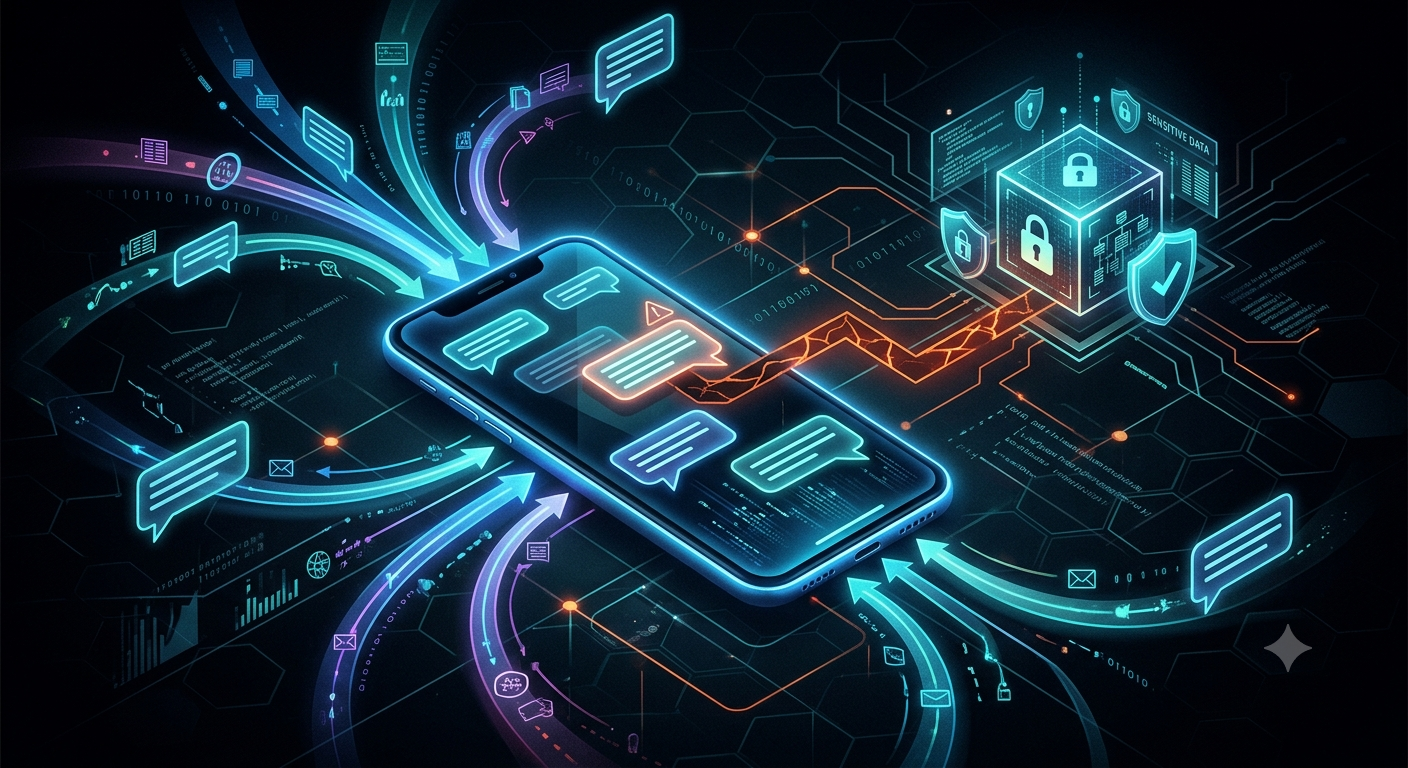
Most people know to be cautious of suspicious emails, but many are less skeptical when a message arrives on their phone. Cybercriminals take advantage of this trust through a tactic known as smishing - a form of phishing that uses SMS text messages instead of email.
Smishing attacks are designed to create urgency and encourage immediate action. A message may claim there is a problem with a delivery, a bank account, a toll payment, or an online service. The goal is simple: convince the recipient to click a malicious link or provide sensitive information.
Because people tend to read and respond to text messages quickly, smishing attacks often achieve higher success rates than traditional phishing emails.
How Smishing Attacks Work
A smishing message typically appears to come from a trusted organization. The message often contains a link and a warning that requires immediate attention.
Common examples include:
Package delivery issues
Unpaid toll or parking fees
Bank account verification requests
Password reset notifications
Tax refund or government benefit messages
The link usually directs the victim to a fake website designed to collect login credentials, payment information, or personal data.
What Happens After You Click
The consequences of a successful smishing attack depend on what information the attacker is seeking. In many cases, victims unknowingly provide credentials or financial information through a convincing-looking website.
Attackers may use smishing to:
Steal usernames and passwords
Capture credit card information
Gain access to email accounts
Install malicious software on mobile devices
Commit identity theft or financial fraud
In business environments, compromised accounts can provide attackers with access to corporate systems and sensitive information.
Why Smishing Is So Effective
Smishing attacks are successful because they take advantage of habits that most people have developed when using mobile devices. Text messages feel personal, immediate, and often trustworthy.
Attackers commonly use:
Urgent language requiring immediate action
Messages that appear to come from legitimate organizations
Shortened or disguised web links
Fear of penalties, account suspension, or missed deliveries
When users are busy or distracted, they are more likely to react quickly rather than verify the legitimacy of the message.
How to Protect Yourself from Smishing
The best defense against smishing is treating unexpected text messages with the same caution as suspicious emails.
Good security practices include:
Avoid clicking links in unexpected text messages
Verify requests through official websites or phone numbers
Be cautious of messages creating urgency or fear
Never provide passwords or sensitive information through SMS links
Report suspicious messages to your mobile provider or IT team
If a message claims to be from a bank, courier, or government agency, visit the organization's official website directly rather than using the link provided in the text.
Staying Alert to Mobile-Based Threats
As mobile devices become more central to daily life, cybercriminals continue finding new ways to exploit them. Smishing attacks are effective because they combine trusted communication channels with social engineering techniques designed to trigger quick responses.
Understanding how these attacks work helps users recognize suspicious messages before sensitive information is exposed. A few moments of verification can prevent significant financial and security consequences.