
by Daniil Slesarenko
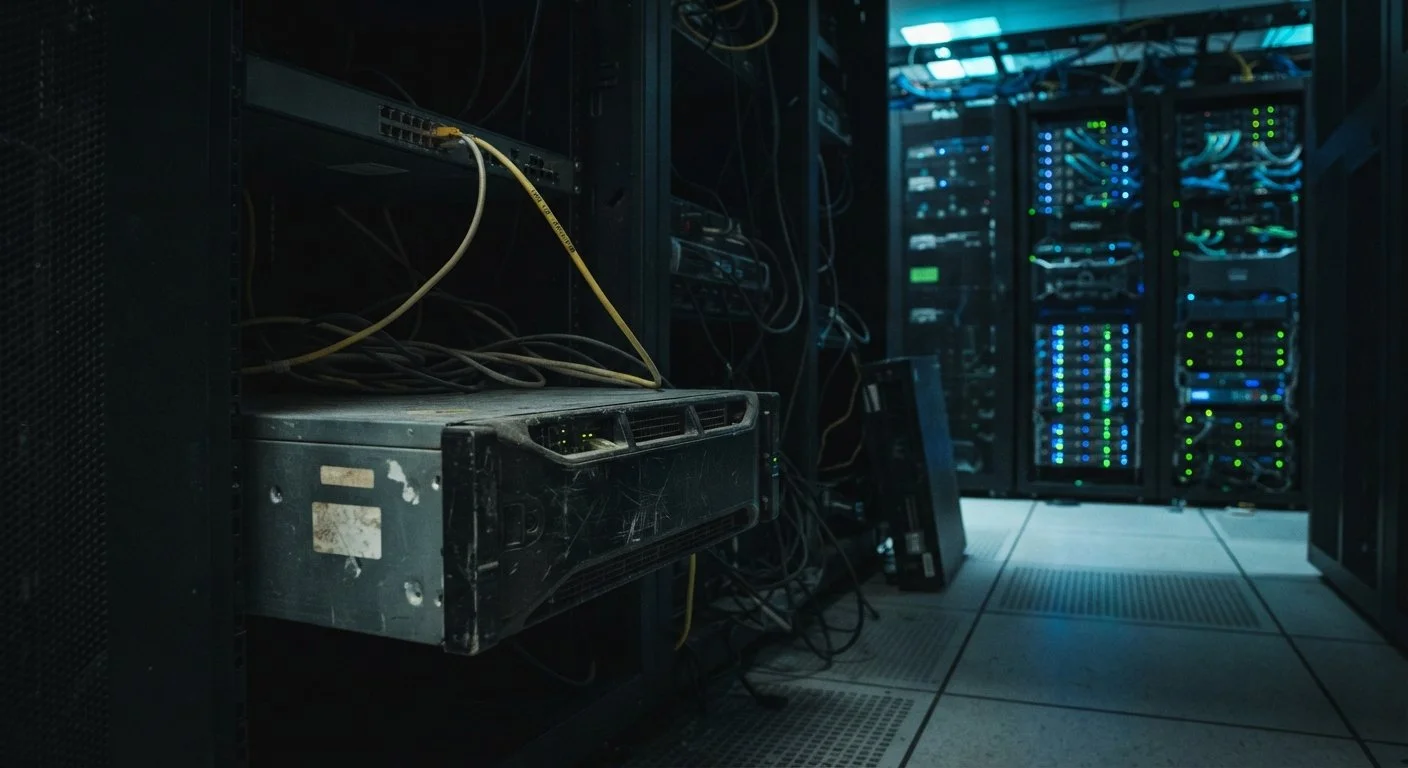
When Temporary Test Systems Become Permanent Risks
Test environments help IT teams build, troubleshoot, and validate applications before changes reach production. But when those environments are forgotten, they can become an easy-to-miss security risk.
A test server may no longer be part of a current project, yet still be connected to the network, exposed to the internet, or running outdated software. Because it is not treated like a production system, it may also receive less monitoring and maintenance.
Why Test Environments Become a Risk
Test and development systems are often created quickly to support a specific task. A team may set up a virtual machine, copy application data, open a port, or create a temporary account to get the work done.
The problem starts when the environment remains after the project ends.
Over time, test systems can be left with:
Outdated operating systems and applications
Unpatched vulnerabilities
Default or weak credentials
Unnecessary accounts and permissions
Open ports or remote access services
Sensitive data copied from production
Limited monitoring or unclear ownership
A system does not need to be important to the business to be useful to an attacker. If it is reachable and poorly secured, it may provide a way into a more valuable part of the network.
Test Data Can Still Be Sensitive
Teams sometimes use production data in test environments because it is realistic and convenient. That data may include customer details, employee information, business records, or other confidential material.
If the environment is less protected than production, copying the data can create another place where it may be exposed.
Where possible, organizations should use synthetic or properly anonymized data for testing. If real data is necessary, access should be restricted and the environment should follow appropriate security and retention requirements.
Forgotten Systems Can Become Entry Points
An attacker who discovers an exposed test server may try known vulnerabilities, weak passwords, or misconfigured services. If the system has access to internal resources, a compromise could become a stepping stone to other systems.
This is especially concerning when the environment has broad network access, stored credentials, or permissions that were granted for temporary work and never removed.
The risk is not limited to internet-facing systems. An internal test environment can still be compromised through another infected device or stolen account.
How Organizations Can Reduce the Risk
The first step is knowing which test environments exist and who is responsible for them.
Organizations can reduce exposure by:
Maintaining an inventory of test, development, staging, and demo systems
Assigning each environment an owner and a defined purpose
Reviewing whether it still needs to exist
Removing unnecessary systems, accounts, and network access
Applying security updates and monitoring to environments that remain
Restricting access to approved users and networks
Avoiding production data unless there is a clear need and suitable protection
Including test environments in regular security and vulnerability reviews
Temporary environments should also have an expiry date or review point. That makes it easier to identify systems that are no longer needed before they become forgotten infrastructure.
Make Cleanup Part of the Process
Creating a test environment should include a plan for what happens when testing is complete. That may mean deleting the system, removing its access, or formally transferring it to an owner who will maintain it.
Regular discovery and inventory reviews can help identify environments that have been overlooked. Monitoring and vulnerability management can then help teams understand which systems remain exposed and require attention.
A test environment may be temporary, but its security risk can last long after the project is finished.
If an environment is no longer needed, remove it. If it is still needed, treat it like a system that matters.